Self Lubricating Bearings UK: Maintenance-Free Solutions for Industrial Applications
In a conveyor system running 24/7, a single lubricant-starved bearing can cause an hour of unplanned downtime. That lost hour costs far more than the bearing itself. Self lubricating bearings eliminate that risk by delivering consistent lubrication from the moment they are installed, with no manual greasing required. For UK maintenance teams and procurement engineers, switching to these bearings means fewer stoppages, lower labour costs, and longer equipment life. This article explains what self lubricating bearings are, the main types available in the UK, and how to select the right one for your machinery.
What Are Self Lubricating Bearings?
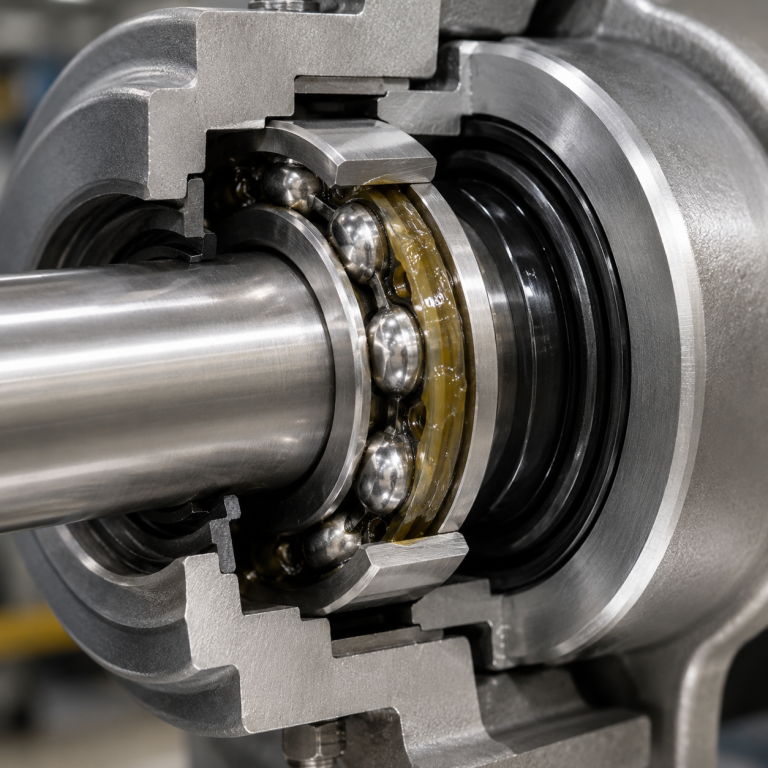
Self lubricating bearings are engineered to operate without additional grease or oil after installation. The lubricant is built into the bearing structure, either impregnated into a porous material, bonded to the surface as a solid film, or released through a maintenance-free liner. This design makes them ideal for applications where regular lubrication is difficult, such as sealed assemblies, high-temperature zones, or hard-to-reach positions.
Many engineers refer to them as self-lubricating bushings when used in plain bearing configurations. They fall under the broader category of maintenance-free bearings, which also includes sealed ball bearings and dry running bearings that require no relubrication during service life. Because they eliminate the need for oilers and grease fittings, these components reduce both material cost and labour time.
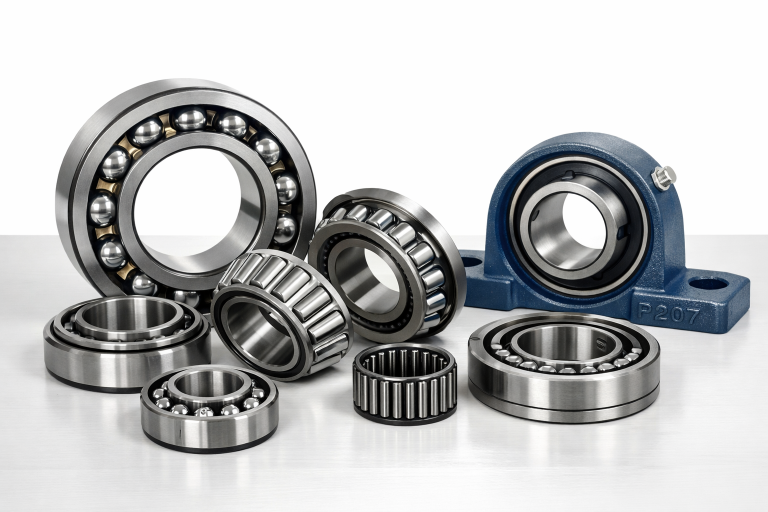
In the UK, self lubricating bearings are widely used in material handling, packaging machinery, automotive production, and food processing equipment. Their reliability makes them a popular choice among bearing suppliers UK, who stock variants to suit nearly every loading condition and environment.
Types of Self Lubricating Bearings Available in the UK
Several distinct technologies fall under the self lubricating umbrella. Each offers specific advantages for different operating conditions. Below is a comparison of the most common types stocked by industrial bearings suppliers in the UK.
| Type | Lubrication Method | Typical Material | Best For |
|---|---|---|---|
| Oil-impregnated bearings | Oil held in porous bronze or iron matrix | Bronze sintered bearings | Light to medium loads, moderate speeds, rotating shafts |
| PTFE lined bearings | PTFE fabric bonded to a metal backing | Steel or stainless steel with PTFE liner | High loads, low speeds, oscillating motion, chemical resistance |
| Bronze sintered bearings | Oil impregnated into sintered bronze | Bronze powder | Fan motors, washing machines, power tools |
| Dry running bearings | No liquid lubricant; solid lubricant in polymer or carbon | PTFE, nylon, or graphite-filled polymers | Food industry, clean rooms, extreme temperatures |
| Maintenance-free plain bearings | Composite liner with built-in lubricant | Steel shell with PTFE or POM liner | Heavy sliding loads, pivot points, agricultural equipment |
Oil-Impregnated Bearings
These are among the most common self lubricating bearings in use. A porous bronze structure is vacuum-impregnated with oil, typically SAE 30 or a synthetic alternative. As the shaft rotates, heat draws oil to the surface, creating a thin film. When stopped, the oil is reabsorbed. This cycle provides continuous lubrication for thousands of hours. Bronze sintered bearings are a well-known example, often found in electric motors and small appliances.
PTFE Lined Bearings
PTFE lined bearings use a woven fabric of PTFE fibres bonded to a steel or stainless steel backing. The low friction coefficient of PTFE means no oil or grease is required, even under high loads. These bearings excel in applications with oscillating or slow rotational motion, such as hydraulic cylinder pivots and automotive suspension components. They also resist chemicals and moisture, making them suitable for marine environments.
Dry Running Bearings
For environments where any liquid lubricant could contaminate the product, dry running bearings are essential. They incorporate solid lubricants like graphite or molybdenum disulphide within a polymer or carbon matrix. They run completely dry, generating minimal dust, and can operate in a vacuum. Food processing plants and clean rooms commonly use this type.
Plain Bearings with Composite Liners
Many plain bearings sold today incorporate a maintenance-free liner. The liner, often a blend of PTFE and lead or other fillers, is bonded to a steel shell. These bearings handle heavy static and dynamic loads while requiring zero maintenance. They are a direct replacement for greased bronze bushes in many applications.
Advantages for UK Industrial Users
UK factories face increasing pressure to improve machine uptime and reduce maintenance costs. Self lubricating bearings deliver several benefits that align with these goals.
- Reduced downtime: No scheduled relubrication stops mean longer production runs between maintenance intervals.
- Lower labour costs: Maintenance engineers are freed to work on more critical tasks rather than grease points.
- Consistent performance: Lubricant delivery is constant, removing the risk of over- or under-greasing.
- Cleaner operation: No grease leakage means cleaner machinery and reduced contamination risk.
- Longer service life: Many self lubricating bearings outlast conventional bearings in correctly matched applications.
These advantages make them a strong choice for OEMs and maintenance departments sourcing from bearing suppliers uk. When you purchase from a specialist like Bearing Superstore, you get access to technical support and a wide range of types and sizes for immediate delivery.
Choosing the Right Self Lubricating Bearing for Your Application
Selecting the correct bearing depends on load, speed, temperature, and environment. Here are practical guidelines.
Load and Speed
For rotating applications with light to moderate loads and moderate speeds, oil-impregnated bronze sintered bearings work well. For heavy loads with slow or oscillating motion, PTFE lined bearings or composite plain bearings are better. Dry running bearings suit high-speed, low-load applications where cleanliness is critical.
Temperature Range
Oil-impregnated bearings have an upper limit around 120°C due to oil viscosity. PTFE lined bearings can operate up to 280°C. Dry running bearings with carbon or graphite can exceed 400°C. Always check the manufacturer’s data for your specific environment.
Environment and Contamination
In dusty or wet environments, sealed self lubricating bearings are advisable. For submerged applications, choose corrosion-resistant materials such as stainless steel PTFE lined bearings or specially treated bronze.
Shaft Hardness and Surface Finish
Soft bearing liners like PTFE are forgiving on shaft finish, but hard materials like bronze require a smooth, hardened shaft surface (usually HRC 45 minimum). Follow the bearing manufacturer’s recommendations to avoid premature wear.
If you are replacing bearings in conveyor take-up units, consider the popular RHP take-up units such as the ST40 RHP or ST45 RHP. These housed units often use sealed bearings that are effectively maintenance-free, but the support of a maintenance-free bearing within the take-up frame can further reduce service requirements.
Where to Buy Self Lubricating Bearings in the UK
Bearing Superstore is an established bearing supplier uk offering a broad selection of self lubricating bearings, plain bearings, miniature bearings, and more. With direct sourcing from global manufacturers, we provide competitive trade pricing on quality products. For oil-impregnated bearings, PTFE lined bearings, or dry running bearings, we can supply the right part for your machinery.
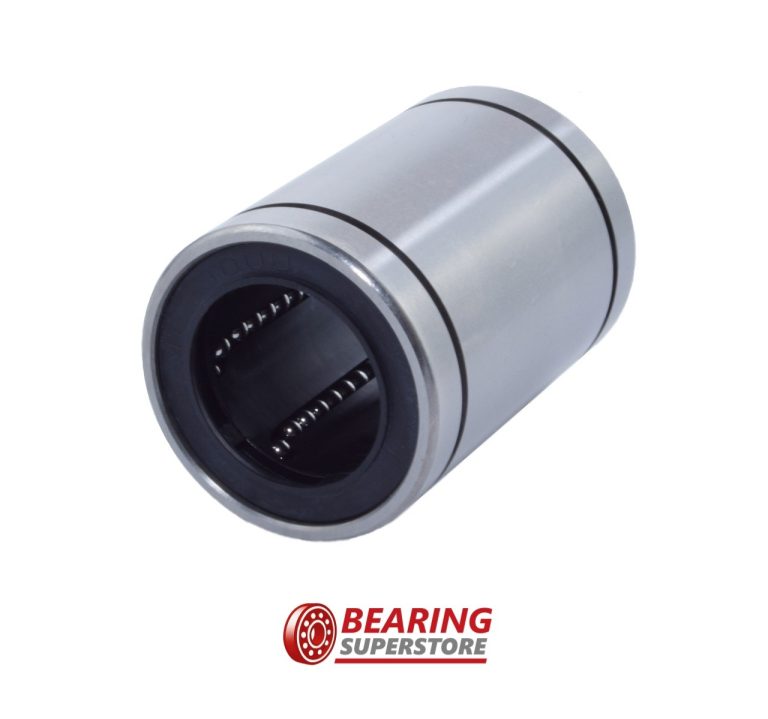
For linear motion systems, we stock linear bearings uk options that include self lubricating versions. These are ideal for CNC machines, 3D printers, and automation rails where frequent oiling is impractical.
We ship across the UK with fast delivery, and our team understands the demands of industrial applications. If you are unsure which bearing type suits your application, contact our sales team for guidance.
Frequently Asked Questions
What are self lubricating bearings used for?
They are used in any application where regular lubrication is difficult or undesirable. Common uses include conveyor systems, electric motors, automotive suspension joints, pumps, and agricultural equipment. They are especially valuable in sealed or inaccessible locations.
How long do self lubricating bearings last?
Service life depends on load, speed, temperature, and environment. Many oil-impregnated types last 10 000 to 20 000 hours under moderate conditions. PTFE lined bearings can exceed 50 000 hours in low-wear applications. Always consult the manufacturer’s life calculation charts.
Can I replace a standard greased bearing with a self lubricating one?
Often yes, provided the load and speed ratings are compatible. You must also consider shaft finish, housing fit, and operating temperature. In many cases, a PTFE lined or bronze sintered bearing can directly replace a greased plain bearing without modification.
Do self lubricating bearings need any maintenance at all?
No regular relubrication is required. However, periodic inspection for wear, contamination, or changes in clearance is recommended. The bearing should be replaced if signs of fatigue or excessive play appear.
Are self lubricating bearings more expensive than standard bearings?
The initial purchase price is often higher, but the total cost of ownership is typically lower because labour, lubricant, and downtime costs are reduced. For many applications, the payback period is very short.