What Are Some Common Power Transmission Products? Essential Types and Uses
Power transmission systems move mechanical energy from one place to another in almost every machine you use. From the car you drive to the factory equipment that makes everyday products, these systems keep things running.
The most common power transmission products include gears, chains, sprockets, V-belts, bearings, and couplings, which work together to transfer power from motors and engines to the components that need it.
Understanding these products helps you choose the right parts for your machinery. Each component serves a purpose in transferring motion and force.
Gears change speed and torque between shafts. Chains and belts connect rotating parts.
Bearings reduce friction and support moving components. That’s pretty important, right?
- Gears, chains, sprockets, belts, bearings, and couplings are the main components that transfer power in mechanical systems
- Different power transmission products suit different applications based on speed, torque requirements, and environmental conditions
- Proper selection and maintenance of transmission components improves efficiency and extends equipment life
Core Mechanical Power Transmission Components

Mechanical power transmission relies on four main types of components that work together to transfer energy from motors and engines to driven equipment. These include gears, belts and pulleys, chains and sprockets, and shafts with couplings.
Gears and Gear Trains
Gears are toothed mechanical components that mesh together to transmit rotational motion and torque between shafts. When you need to change speed, increase torque, or alter the direction of rotation, gears are your go-to.
Spur gears have straight teeth parallel to the shaft axis. They’re simple, common, and great for power between parallel shafts, but can be noisy at high speeds.
Helical gears use angled teeth that engage gradually, so they’re quieter and run smoother than spur gears. You’ll spot these in gearboxes where noise is a problem, but they do create axial thrust and need thrust bearings.
Bevel gears are for power between intersecting shafts, usually at 90 degrees. Think differential drives—when you need to change rotation direction.
Worm gears use a worm (like a screw) and worm wheel. They’re compact, offer high reduction ratios, and are self-locking so they won’t back-drive.
A planetary gear system has a sun gear, planet gears, and a ring gear, packing high torque into a small space. Gear trains combine gears for specific speed and torque, while a gearbox keeps everything together and protected.
Belts and Pulleys
Belt drives use flexible belts on pulleys to transmit power between shafts that aren’t directly touching. This setup gives you flexibility in shaft placement and helps dampen vibration.
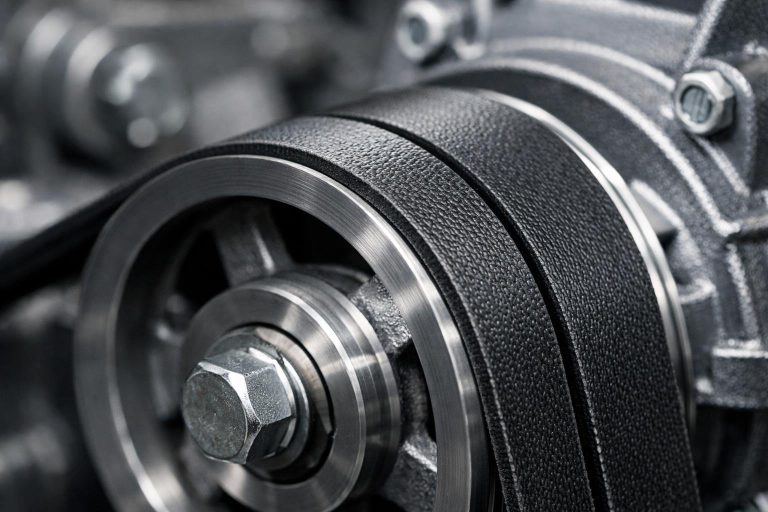
V-belts have a trapezoidal shape and fit into matching grooved pulleys. They’re everywhere—good grip, moderate power, and you can use several together for bigger jobs.
Timing belts have teeth that mesh with grooved pulleys, so there’s no slippage. If you need precise timing, like in engine camshafts, timing belts are the answer.
Flat belts are rectangular and run on flat or crowned pulleys. They’re less common now, but still show up in some high-speed uses where minimal pulley contact is helpful.
Belt drives need the right tension and can slip if overloaded, which sometimes actually saves your equipment from damage.
Chains and Sprockets
Chain drive systems use metal chains over sprockets to transmit power. This chain and sprocket combo gives you a positive drive—no slippage—which is great for heavy-duty work.
Roller chains are most common, with cylindrical rollers and side links. They engage with sprocket teeth to move things along reliably. You’ll see them in motorcycles, bikes, and industrial conveyors.
Chains and sprockets handle more load than belts and keep speed ratios constant. They don’t stretch like belts, but they do need regular lubrication to avoid wearing out.
Chains work in rough environments—high temps, oil, chemicals—where belts just wouldn’t last. Silent chains (inverted-tooth) are quieter than roller chains and handle higher speeds, so they’re good when noise is an issue.
Shafts and Couplings
Shafts are rotating bars that transmit torque from the power source to the equipment that needs it. They support things like gears, pulleys, and sprockets, moving mechanical power along their length.
Couplings connect two shafts to transmit power between them. If your shafts are perfectly lined up, rigid couplings give you a solid connection—flanged, sleeve, clamp—simple and efficient, but you really do need good alignment.
Flexible couplings let you get away with some misalignment. They absorb vibration and shock, and allow for angular, parallel, or axial misalignment.
Common types are jaw couplings, gear couplings, and elastomeric couplings. Flexible couplings protect your machinery by compensating for installation tolerances and thermal changes.
Choosing between rigid and flexible couplings comes down to your alignment and whether you want vibration dampening. These parts work with everything else to make a complete drive system.
Transmission Methods and Performance Factors
Different transmission methods move power from motors to machinery in their own ways. Each offers its own mix of efficiency, torque control, and smoothness.
Your transmission system choice really affects how your equipment handles speed changes, vibration, and overloads. Sometimes it’s a balancing act.
Types of Transmission Systems
Mechanical power transmission systems use physical components to connect moving parts. Gear transmission uses interlocking teeth for torque between shafts—precise speed control, high load, perfect for machine tools and heavy equipment.
Chain drives link sprockets with chains, great for conveyors and material handling where shafts aren’t right next to each other. Belt drives use flexible loops on pulleys.
V-belts can handle high torque, timing belts give you precise control, and flat belts are solid for high-speed conveyor work. Direct drive systems skip the middleman and connect the motor shaft straight to the load, cutting friction and boosting efficiency—but you lose flexibility in adjusting speed ratios.
Every transmission type fits different needs based on distance, power, and speed. No one-size-fits-all here.
Efficiency and Gear Ratios
Transmission efficiency is about how much input power actually gets to your equipment. Gear systems usually hit 95-98% per stage, belt drives land between 90-98% depending on tension and alignment, and chain drives are somewhere in the middle—about 92-97%.
Gear ratio? That’s the speed difference between input and output shafts. For example, a 3:1 gear ratio means the input turns three times for every one output turn, boosting torque and cutting speed.
To get the gear ratio, just divide the teeth on the driven gear by the teeth on the driving gear. Higher ratios mean more torque, less speed. Material handling often stacks gear stages to get the right combo.
Less friction—thanks to good lubrication—means better efficiency and longer life for your parts.
Torque and Speed Control
Power transmission systems tweak torque and speed to match what you need. Gears give you fixed speed ratios and solid torque multiplication, perfect for steady loads in machine tools.
Variable speed drives let you adjust output speed while holding onto torque. Handy for processes that need different speeds.
Belt and chain systems handle torque changes better than rigid setups. They absorb shocks and allow for a bit of misalignment. Swapping pulley sizes lets you change speed ratios on the fly.
Torque limiters and clutches protect your gear by disconnecting or slipping when things get too intense. They keep motors safe and only transmit power within safe limits.
Noise, Vibration, and Overload Protection
Noise and vibration are usually signs something’s off. Gears make noise from tooth meshing—spur gears especially—while helical gears run quieter.
Belt drives are pretty quiet but can vibrate if tension’s wrong or pulleys aren’t lined up. Sudden load changes can really hammer your transmission components.
Flexible couplings help absorb shocks and protect motors and machinery. Rubber or elastomer bits inside couplings dampen vibration but still let power through.
Overload protection? That’s things like shear pins, slip clutches, and torque limiters—they disconnect or slip if forces get out of hand. Conveyor systems especially rely on these to keep motors from burning out when there’s a jam.
Keeping an eye on vibration helps you catch wear before things break down. It’s a bit of a pain, but it saves you from surprise downtime.
Applications Across Industries
Power transmission products are critical in manufacturing, transport, climate control, and automation. They let motors and engines deliver mechanical power efficiently—across everything from conveyors to robotics.
Industrial Machinery and Manufacturing
Your manufacturing operations depend on power transmission products to keep production lines running. Gearboxes change torque and speed in heavy equipment like rolling mills, crushers, and presses.
Belts and pulleys drive conveyor systems for moving materials. Chain drives run packaging machinery and material handling equipment where positioning matters.
Industrial machinery relies on bearings to cut friction in rotating equipment like motors, pumps, and compressors. Couplings connect shafts between motors and driven equipment, absorbing shocks and compensating for misalignment.
In textile mills, belt drives run looms and spinning machines. Food processing plants use specialised chain drives for hygiene. Steel plants depend on beefy gearboxes and shaft assemblies to handle heavy loads and high temps—often around the clock.
Automotive and Aerospace Systems
Your automotive transmissions use gears, shafts, and bearings to transfer power from engines to wheels. These let you change speed as needed. Power transmission components in vehicles include drive shafts, universal joints, and differential gearboxes.
Construction machinery like excavators and loaders use hydraulic drives alongside mechanical gearboxes. This combo helps them handle heavy loads without much fuss.
Aerospace systems demand lightweight but strong power transmission products for actuators, landing gear, and flight control surfaces. It’s a tough job—components have to survive vibration, wild temperatures, and constant use.
Aircraft auxiliary power units rely on gearboxes to drive generators and hydraulic pumps. Modern electric vehicles use specialised gearboxes tailored for electric motors, squeezing out extra efficiency where it counts.
HVAC and Building Services
Your HVAC systems use belts, pulleys, and couplings to link motors with fans, blowers, and compressors. Variable speed drives let you tweak airflow and cooling for better energy efficiency.
Pumps in heating and cooling setups rely on mechanical seals, bearings, and shaft couplings. These keep water and refrigerants moving throughout the building.
Power generation facilities use large gearboxes to connect turbines with generators. Alternating current generators need sharp shaft alignment, kept in check by couplings and bearing assemblies.
Cooling towers use belt drives and gearboxes to spin their fans. Building ventilation systems mix pneumatic transmission with electric motors to run dampers and air handling units.
All these components? They’ve got to run reliably, with as little maintenance as possible, since building services never really stop.
Robotics and Advanced Automation
Your robotic systems need precision gearboxes and harmonic drives for accurate positioning and smooth motion control. Industrial robots rely on a whole lineup of power transmission products—planetary gearboxes, timing belts, linear actuators—the works.
These let you hit repeatable movements measured down to micrometres, which is pretty wild if you think about it. Advanced automation lines blend electrical power transmission and mechanical drives to sync up multiple axes of motion.
Servo motors connect to gearboxes that boost torque but keep things accurate. Linear motion systems use ball screws and linear bearings to turn rotary motion into precise straight-line movement.
Your automated assembly equipment depends on timing belts and pulleys to keep multiple processes ticking at once. Collaborative robots use compact gearboxes with built-in sensors for force feedback and safety—pretty clever, honestly.
Maintenance, Troubleshooting, and Reliability
Proper maintenance stretches out the life of your power transmission products and saves you from expensive breakdowns. Regular lubrication, alignment checks, and monitoring help you spot trouble before it gets ugly.
Routine and Predictive Maintenance
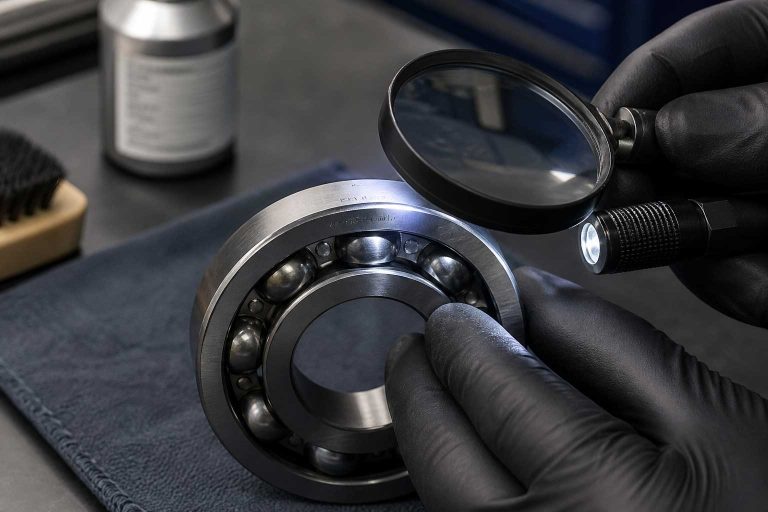
Do visual inspections of your power transmission components on a set schedule. Look for wear, damage, or anything weird that could cause failure.
Check belts for cracks or fraying, gears for worn teeth, and chains for stretching. Predictive maintenance uses monitoring techniques to catch issues before they shut you down.
You can measure vibration, track temperature changes, and keep tabs on performance data. This lets you plan repairs during downtime instead of scrambling during a failure.
Create a maintenance schedule based on what the manufacturer suggests and your own operating conditions. Tough environments or heavy-duty jobs need more frequent checks.
Keep detailed records of all maintenance work. Over time, you’ll spot patterns and can tweak your plan to make it better.
Lubrication and Reducing Wear
Lubrication cuts friction between moving parts and keeps wear at bay. Always use the right lubricant for the job—using the wrong one can do more harm than skipping it altogether.
Some quick tips:
- Apply lubricant at the intervals the manufacturer recommends
- Stick to the specified type and grade for your setup
- Don’t overdo it—extra grease just attracts dirt
- Watch the lubricant’s condition and swap it out when it’s spent
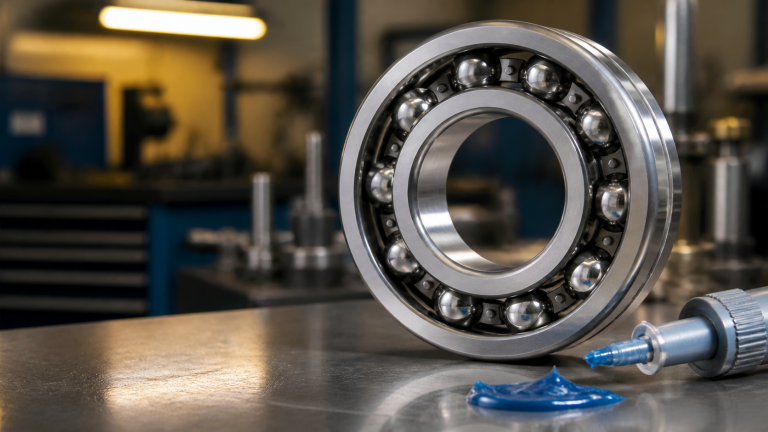
Bearings deserve special care—they support rotating shafts and take on heavy loads. Good lubrication keeps bearings cool and running smoothly.
Keep an eye on bearing temperature. If it gets too hot, you might have lubrication issues or something else going wrong.
Addressing Misalignment and Vibration
Misalignment leads to extra wear, vibration, and noise in your power transmission system. Even tiny errors can chop down component life.
Check alignment whenever you install new parts or after maintenance. Vibration often points to misalignment, loose bits, or worn components.
Too much vibration can wreck bearings, loosen fasteners, and stress shafts and housings. Use alignment tools to get shafts lined up and parallel.
Adjust mounting positions and add shims if you need to. Regular alignment checks save you from a lot of headaches.
Monitor vibration levels to catch alignment issues early. If vibration suddenly spikes, deal with it right away—it’s almost always a sign something’s about to break.
Troubleshooting Common Problems
Overheating usually means bad lubrication, misalignment, or too much load. Check your lubrication, verify alignment, and make sure your parts are sized right for the job.
If you hear weird noises—grinding, squealing, rattling—it’s probably worn parts, bad tension, or something’s loose. Inspect everything, check belt or chain tension, and tighten fasteners.
Belt or chain slippage kills efficiency and usually means the tension is off or the part is worn. Adjust tension to spec and swap out anything that’s past its prime.
Excessive wear on one side of a belt? That’s a misalignment issue—fix it before it gets worse. If something fails outright, figure out if it’s normal wear, bad maintenance, poor installation, or the wrong part for the job.
Knowing the root cause helps you avoid the same mess next time.
Frequently Asked Questions
Power transmission products each have their place in industrial setups. Understanding their uses and quirks helps you make smarter choices for your machinery.
Which devices are most commonly used to transmit mechanical power in industrial machinery?
Chains and sprockets are everywhere in industrial power transmission. They’re precise and tough—the chain links mesh with sprocket teeth like puzzle pieces.
You’ll see roller chains in all sorts of gear, from light machines to heavy equipment. Gears transmit power through direct contact. Spur gears are handy for frequent speed or power changes.
Helical gears run quieter, thanks to their angled teeth. Belts and pulleys move power over longer distances using friction. The belt loops around pulleys on rotating shafts, and motors spin these shafts to get things moving.
Couplings join two shafts to transfer power. Rigid couplings are solid, while flexible ones handle a bit of misalignment and soften shocks.
What are typical examples of belt, chain, and gear drive systems used in power transmission?
V-belts on grooved pulleys are everywhere—HVAC, farm machinery, industrial fans. Timing belts with teeth give you positive engagement for precise jobs like conveyor systems.
Roller chain drives power motorcycles, bikes, and industrial conveyors. Silent chains are used in automotive timing systems where noise matters. Leaf chains take on lifting jobs in forklifts and hoists with their interlaced plates for high strength.
Spur gear systems show up in speed reducers and machine tools. Bevel gears transfer motion between intersecting shafts in vehicle differentials, letting wheels spin at different speeds in a turn.
Worm gear drives are used in lifts and conveyors, where self-locking stops reverse movement. Each drive type has its own sweet spot.
What are the main categories of power transmission systems used in engineering applications?
Mechanical power transmission is the big one—chains, gears, belts, shafts, bearings, and couplings that physically move rotational force from one part to another.
Hydraulic systems use pressurised fluid to transmit power. They’re great for high-force jobs like construction equipment and industrial presses.
Pneumatic systems use compressed air to move energy. You’ll find them in factories powering tools and automated machines.
Electrical transmission converts mechanical energy to electricity for long-distance transfer. Motors then turn that electricity back into motion where you need it.
How do power transmission gears compare with belts and chains in terms of performance and maintenance?
Gears are the most precise—no slippage, and they handle high torque in tight spaces. But they need lubrication and perfect alignment, and they can get noisy, especially spur gears running fast.
Belts are quieter and soak up vibration better than gears. They’re forgiving of misalignment and don’t need lubrication. But they can slip under big loads—sometimes that’s good, sometimes not.
You’ll need to replace belts more often because they wear and stretch. Chains split the difference: they grip like gears, tolerate some misalignment like belts, and need occasional lubrication and tension checks.
Chains work well over longer distances than gears but usually make more noise than belts. It’s always a trade-off.
What factors should be considered when selecting couplings, bearings, and gearboxes for a drive system?
Load capacity is key—can the component handle your torque and forces? Figure out both your normal loads and any peaks during startup or weird conditions.
Misalignment tolerance matters because, let’s face it, nothing’s ever perfectly aligned in the real world. Flexible couplings can handle angular, parallel, or axial misalignment. Rigid ones need things spot-on but give you better torque transfer.
Operating environment changes what materials you need. High temps call for special bearings or lubricants. Food processing setups need corrosion-resistant housings and seals that can handle wash-downs.
Speed ratings limit how fast you can spin things. Bearings have max RPMs based on their design—push past that and you’ll burn them out early.
Maintenance needs affect your long-term costs. Sealed bearings save you from regular greasing. Split couplings let you install or remove them without tearing apart your whole machine.
What is meant by the point of operation in a mechanical drive system, and why does it matter for safety?
The point of operation is where a machine actually does its work on the material. In a press, that’s the spot where the ram comes down and hits the workpiece.
On a conveyor, it’s the place where items are either loaded on or taken off. This spot is usually the most dangerous, honestly, because it’s where moving parts meet the stuff being worked on.
Guards need to protect operators from things like spinning shafts, moving belts, and gears right near the point of operation. Exposed parts can snag clothing, hair, or even a hand—nobody wants that.
Emergency stops should be close enough so anyone nearby can hit them fast if something goes wrong. It’s not just a good idea—it’s essential.
Chains, belts, and other power transmission parts need guarding along their whole length. But let’s be real: the point of operation is where you really can’t cut corners.
Good machine design lets you see what’s happening at this spot but keeps people from getting too close. And yeah, checking those guards regularly is just part of the job—better safe than sorry.