Understanding V Belt Wedge Wrapped: A Comprehensive Guide
V-belt wedge wrapped systems power countless machines in factories, farms, and workshops around the world. These belts use a special V-shaped design that wedges into pulley grooves to create friction and transfer power from one component to another. If you work with industrial equipment or maintain machinery, understanding how these belts function can help you choose the right one and keep your systems running smoothly.

Wrapped V-belts feature a protective fabric cover that wraps around the belt body, providing grip on pulleys whilst protecting the inner components from wear and environmental damage. This wrapped construction differs from raw-edge designs and offers specific benefits for certain applications. The fabric layer helps the belt last longer and maintains consistent contact with pulleys, even under demanding conditions.
John Gates invented the V-belt in 1917, revolutionising how machines transfer power. Since then, improvements in materials and construction have made these belts more reliable and efficient. Learning about wedge wrapped V-belts will help you select the proper belt for your needs, understand when to replace worn belts, and get the best performance from your equipment.
Key Takeaways
- Wrapped V-belts use a V-shaped design with a protective fabric cover to transmit power efficiently through friction
- These belts work well in various industries including manufacturing, agriculture, and construction applications
- Proper selection and maintenance of wrapped V-belts reduces energy consumption and extends equipment life
What Are V Belt Wedge Wrapped Belts?

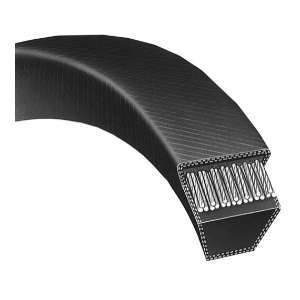
V belt wedge wrapped belts combine a narrower wedge-shaped profile with a protective fabric covering, offering improved power transmission and durability compared to standard v-belts. The wrapped construction shields internal components whilst the wedge geometry maximises grip on pulleys.
Fundamental Design and Structure
V belt wedge wrapped belts feature a distinctive narrower and deeper wedge-shaped cross-section compared to classical v-belts. The profile sits at a 40-degree angle, allowing the belt to sit deeper in the pulley groove.
A fabric-wrapped outer cover encases the entire belt. This protective layer wraps around high-strength polyester or aramid cord reinforcement embedded within the belt’s core. The cords run lengthwise through the belt to provide tensile strength and prevent stretching during operation.
The wrapped covering serves as a barrier against environmental hazards. It shields the internal components from oil, dust, heat, and other contaminants that would otherwise degrade performance. This construction makes wrapped v-belts more resistant to abrasion than raw-edge alternatives.
How V Belt Wedge Wrapped Belts Work
The wedge-shaped profile creates increased contact area with the pulley groove walls. As tension loads the belt, the narrow profile wedges deeper into the groove, generating more friction between the belt sides and pulley surfaces.
This enhanced grip allows the belt to transmit higher torque with less width than classical v-belts. The deeper profile distributes loads more effectively across the belt’s structure. The reinforcement cords handle tensile forces whilst the fabric cover maintains flexibility for bending around pulleys.
The wrapped construction flexes smoothly as it travels around pulleys of different sizes. The fabric covering protects against wear whilst maintaining the dimensional stability needed for consistent power transmission.
Key Features and Distinguishing Characteristics
Wrapped wedge v-belts operate effectively in temperatures ranging from -30°C to +80°C. The fabric cover provides oil and heat resistance, extending service life in harsh industrial environments.
Common sections include SPZ, SPA, SPB, and SPC in European standards, with 3V, 5V, and 8V as North American equivalents. These belts follow ISO 4184 and DIN 7753 standards for dimensional consistency.
| Belt Section | Top Width | Height | Typical Applications |
|---|---|---|---|
| SPZ/3V | 9.7 mm | 8 mm | Light-duty pumps, compressors |
| SPA | 12.7 mm | 10 mm | Agricultural machinery, HVAC systems |
| SPB/5V | 16.3 mm | 13 mm | Heavy-duty industrial equipment |
| SPC | 22 mm | 18 mm | Large motors, mining equipment |
| 8V | 25.4 mm | 23 mm | Crushers, heavy machinery |
Wrapped v-belts are fully interchangeable with cogged versions of the same section, fitting identical pulley grooves. The antistatic properties meet ISO 1813 requirements for safe operation in various industrial settings.
Types of V-Belts and Their Differences

V-belts come in several distinct types, each designed for specific applications and performance requirements. The main differences lie in their cross-sectional profiles, surface treatments, and construction methods.
Wedge Wrapped V-Belts vs. Classical V-Belts
Wedge v-belts and classical v-belts differ primarily in their cross-sectional angles and power transmission capabilities. Classical v-belts (designated as A, B, C, D, and E sections) feature a 40-degree included angle and have been the industry standard for decades. Wedge v-belts (labelled as 3V, 5V, and 8V) use a narrower 38-degree angle, which creates a stronger wedging action inside the sheave groove.
This increased wedging effect allows wedge v-belts to transmit up to three times more power than classical belts of similar top widths. You can also use smaller sheave diameters with wedge v-belts, which reduces the overall size and weight of your drive system.
The narrower profile means you’ll need less tension to achieve the same power transmission. This reduces stress on bearings and extends their service life.
Comparing Wrapped and Raw Edge V-Belts
Wrapped v-belts feature a fabric covering that encases the entire belt, giving them a smooth, uniform appearance. This fabric layer provides excellent abrasion resistance and protects against contamination. The covering also makes these belts quieter during operation and highly resistant to oil and chemicals.
Raw edge v-belts expose the internal rubber compounds on their sidewalls and typically include cogs on the underside. These belts offer 20-30% more horsepower capacity compared to wrapped belts of the same size. The exposed rubber provides a higher coefficient of friction, which improves grip on the sheaves.
Wrapped v-belts slip more easily during torque spikes, which can prevent damage to your motor or gearbox. Raw edge v-belts run cooler at high speeds and can wrap around smaller sheaves due to their cogged construction. They also operate at 3-4% higher efficiency, which can translate to significant energy savings in large applications.
Banded V-Belts: Structure and Benefits
Banded v-belts consist of multiple v-belts permanently joined together by a fabric tie band or backing. This unified structure prevents individual belts from turning over or coming off the sheaves during operation. The tie band keeps all belts aligned and ensures they share the load equally.
You’ll find banded v-belts particularly useful in applications with vibration, shock loads, or pulsating drives. The connected structure also prevents belt whip on long centre-distance drives. Banded configurations work well when your sheaves are difficult to align perfectly.
These belts cost more than individual v-belts but reduce maintenance time since you replace the entire set at once. They’re available in both wrapped and raw edge configurations.
Selecting the Appropriate V-Belt Type
Your choice depends on several factors including power requirements, operating speeds, and environmental conditions. For applications with sudden torque spikes or overload protection needs, choose wrapped v-belts. For maximum power transmission and energy efficiency in smooth-running drives, raw edge v-belts perform better.
Select wedge v-belts when space is limited or when you need to reduce bearing loads through smaller sheave sizes. Classical v-belts remain suitable for light-duty applications and where initial cost is a primary concern.
Consider banded v-belt options for drives longer than 3 metres or applications with significant vibration. Check your operating temperature range as well—raw edge v-belts generally handle higher temperatures better than wrapped types. Calculate your anticipated annual operating hours to determine if the energy savings of raw edge belts justify their higher initial cost.
Advantages of Wedge Wrapped V-Belts

Wedge wrapped V-belts offer significant improvements over standard V-belts through their unique design features. Their narrower, deeper profile and fabric-wrapped construction deliver measurable benefits in power transmission, durability, and operational efficiency.
High Power Transmission Capabilities
Wedge wrapped V-belts transmit more power than classical V-belts of similar dimensions. The narrower, deeper wedge profile creates greater contact area with pulley grooves, which increases friction and grip. This design allows you to achieve higher torque transmission whilst using less belt width.
The enhanced power capacity comes from the belt’s ability to wedge deeper into the pulley groove. You can transmit 1.5 to 2 times more power compared to classical V-belts. The high-strength cord reinforcement, typically made from polyester or aramid fibres, ensures minimal stretch during operation. This stability maintains consistent tension and prevents power loss over time.
Wear Resistance and Durability
The fabric-wrapped outer cover provides superior protection against harsh operating conditions. You benefit from increased resistance to oil, dust, heat, and general abrasion. This protective layer shields the internal components from contaminants that would otherwise degrade the belt.
These belts operate effectively in temperatures ranging from -30°C to +80°C. The wrapped construction extends belt life by preventing direct exposure of the load-carrying cords to environmental elements. The fabric cover also distributes stress more evenly across the belt surface, reducing localised wear. You’ll experience longer service intervals and reduced maintenance costs compared to raw-edge alternatives.
Quiet Operation and Shock Load Absorption
The fabric-wrapped surface dampens vibration and reduces operational noise. You’ll notice quieter performance compared to cogged or raw-edge designs, particularly at higher speeds. The wrapped cover acts as a cushion that absorbs minor fluctuations in load.
Wedge wrapped V-belts handle shock loads more effectively due to their flexible construction. The fabric layer provides additional cushioning that protects the belt from sudden stress spikes. This shock absorption capability proves valuable in applications with frequent starting and stopping or variable loads. The belts maintain stable operation without slipping or jumping on the pulleys during these demanding conditions.
Industrial Applications and Common Uses
Wrapped wedge V-belts serve critical roles across multiple industries where reliable power transmission is essential. These belts handle everything from heavy industrial motors to agricultural equipment, operating effectively in environments that demand resistance to heat, dust, and oils.
Power Transmission in Industrial Machinery
Your industrial machinery depends on wrapped V-belts for efficient power transfer between motors and driven equipment. These belts excel in applications involving pumps, compressors, and generators where consistent performance matters.
Manufacturing facilities use SPB and SPC section belts for heavy-duty operations. Steel mills and mining equipment rely on the larger profiles to transmit high torque loads. The fabric-wrapped cover protects against industrial contaminants like oil and metal dust that would damage other belt types.
You’ll find these belts in machine tools, printing presses, and packaging equipment. The temperature range of -30°C to +80°C allows operation in both cold storage facilities and heated production environments. The antistatic properties make them suitable for electronics manufacturing where static discharge poses risks.
Automotive and Agricultural Applications
Agricultural machinery uses wrapped wedge V-belts in tractors, harvesters, and irrigation pumps. The SPA section handles medium-duty applications like combine drives and baler systems. Your equipment benefits from the belts’ resistance to sunlight, weather, and ozone exposure during outdoor operation.
Stone crushers and forestry equipment require the durability that wrapped V-belts provide. These applications involve shock loads and variable speeds that would quickly wear standard belts. The polyester or aramid cord reinforcement maintains tension and prevents stretching under demanding field conditions.
Conveyor Systems and HVAC Equipment
Conveyor systems across warehouses and distribution centres use wrapped V-belts for reliable material handling. The SPZ section works well in light-duty conveyor applications, whilst heavier loads require SPB profiles.
HVAC fans depend on these belts for consistent airflow in commercial and industrial buildings. Your heating and cooling systems benefit from the belts’ quiet operation and minimal maintenance requirements. The fabric cover reduces noise compared to raw-edge alternatives, making them preferable in occupied spaces.
Industrial ventilation systems use wrapped wedge belts to power exhaust fans and air handlers. The oil-resistant properties prove valuable in kitchen exhaust systems and manufacturing environments with airborne contaminants.
Performance Considerations and Maintenance
Proper tension, alignment, and regular care directly impact how well wrapped V-belts perform and how long they last. Environmental conditions and operational demands determine which belt specifications work best for your application.
Preventing Belt Slip and Maximising Efficiency
Belt slip occurs when your wrapped V-belt loses grip on the pulley, reducing power transmission efficiency and generating excess heat. You should check tension levels every three months using a tension gauge and adjust according to manufacturer specifications. Loose belts cause slippage, whilst over-tightened belts accelerate wear on both the belt and bearings.
Proper alignment prevents uneven wear patterns that lead to premature failure. Use laser alignment tools to verify that pulleys sit parallel to each other. Even slight misalignment causes the belt to run at an angle, creating friction and heat build-up.
Keep belt surfaces and pulleys clean from dirt, oil, and debris. Build-up reduces friction between the belt and pulley grooves, leading to slippage during operation. Clean these components bi-monthly with a soft brush and rubber-safe cleaning solution, or more frequently in dusty environments.
Selecting for Environmental and Operational Factors
Temperature extremes affect wrapped V-belt performance. Standard rubber belts work well between -18°C and 80°C, but specialised materials handle more extreme conditions. High temperatures cause belts to harden and crack, whilst cold temperatures reduce flexibility.
Choose belts rated for oil and chemical resistance if your machinery operates near lubricants or solvents. The fabric cover on wrapped V-belts provides baseline protection, but exposure levels determine whether you need enhanced material specifications.
Consider your drive’s power requirements and operating speed. Wedge-profile wrapped belts handle 30-50% more power than classical profiles of equivalent size. This makes them suitable for compact drives where space limits pulley diameter.
Service Life and Replacement Guidelines
Wrapped V-belts typically last 1,500 to 2,000 operating hours under normal conditions. Track your equipment’s running time to schedule proactive replacements before failure occurs.
Inspect belts monthly for visible damage. Cracks in the sidewalls indicate aging rubber that will soon fail. Fraying on edges shows misalignment or pulley damage. Glazing creates a shiny, hardened surface that reduces grip and signals overheating or slippage.
Replace belts immediately when you notice these warning signs:
- Cracks deeper than 1.5mm
- Exposed tensile cords
- Chunks missing from the belt body
- Unusual noises during operation
Keep spare belts in stock for common sizes to minimise downtime. Store replacement belts in cool, dry conditions away from direct sunlight and ozone-producing equipment like electric motors. Proper storage prevents rubber degradation before installation.
Frequently Asked Questions
Wrapped V-belts use a fabric cover over their construction and work in many industrial settings, whilst wedge profiles offer different power ratings than classical designs. Belt codes indicate dimensions and type, and materials like polyester or aramid affect how long belts last.
What is a wrapped V-belt and where is it typically used?
A wrapped V-belt has a fabric cover on its outer surface. This fabric layer protects the internal components from oil, dust, heat, and other contaminants. The wrapped construction makes these belts more resistant to abrasion and environmental damage.
You will find wrapped V-belts in manufacturing facilities, agricultural machinery, HVAC systems, and automotive applications. They handle power transmission in equipment like pumps, compressors, fans, and motors. The protective cover extends belt life in harsh environments where exposure to chemicals or debris is common.
These belts work well when you need reliable performance in dusty or oily conditions. The fabric wrapping prevents foreign materials from damaging the belt’s internal structure.
How does a wedge V-belt differ from a classical V-belt in design and performance?
Wedge V-belts have a narrower and deeper profile compared to classical V-belts. The wedge shape allows more contact area with the pulley groove. This increased contact means better grip and higher torque transmission with less belt width.
Classical V-belts use sections labelled A, B, and C. Wedge belts use sections like SPZ, SPA, SPB, SPC in Europe and 3V, 5V, 8V in North America. Both types fit into grooves with a 40-degree angle.
Wedge belts transmit more power than classical belts of similar size. Your machinery can use smaller pulleys when fitted with wedge belts whilst maintaining the same power capacity. This design makes wedge belts suitable for heavy-duty applications like steel mills, mining equipment, and crushers.
How do I identify the correct V-belt type from its code and markings?
V-belt codes tell you the belt section and length. The first part indicates the profile type. The second part shows the outer length in millimetres.
For example, SPB 2000 means an SPB section belt with a 2000mm outer length. European standards use SPZ, SPA, SPB, and SPC designations. North American standards use 3V, 5V, and 8V markings.
You can interchange some belt types between standards. A 3V belt works in an SPZ pulley groove, and a 5V belt fits SPB grooves. However, you should not use SPZ belts in 3V grooves or SPB belts in 5V grooves because North American pulleys have smaller top widths. The 8V section is larger than SPC, so you may use SPC belts in 8V grooves with reduced power ratings, but not the reverse.
What are the common V-belt cross-sections and how do I choose the right profile for my application?
SPZ belts measure 9.7mm top width and 8mm height for light-duty work like pumps and compressors. SPA belts are 12.7mm wide and 10mm tall, suitable for agricultural machinery and HVAC fans. SPB belts at 16.3mm width and 13mm height handle heavy-duty industrial applications.
SPC belts measure 22mm wide and 18mm tall for large motors and mining equipment. The North American 3V section (9.5mm x 8mm) matches SPZ applications. The 5V section (16mm x 13mm) works similarly to SPB belts. The 8V section (25.4mm x 23mm) handles the heaviest loads in crushers and industrial machinery.
Choose your belt profile based on the power requirements and pulley size. Smaller profiles work for lighter loads and tighter spaces. Larger profiles transmit more power and suit heavy-duty operations. Check your equipment specifications to match the correct section dimensions.
Which materials are V-belts made from and how do material choices affect durability and efficiency?
V-belts use polyester or aramid cords for reinforcement. Polyester cords provide good strength at a lower cost and work well in standard applications. Aramid cords offer higher strength and less stretch, making them better for high-load situations.
The fabric wrapper protects against temperatures from -30°C to +80°C. Oil-resistant compounds help belts last longer when exposed to lubricants and hydraulic fluids. Heat-resistant materials prevent degradation in high-temperature environments.
Antistatic properties prevent static electricity buildup during operation. Material quality directly affects how much the belt stretches over time. Better materials mean less maintenance and fewer replacements. Your choice depends on operating conditions like temperature, chemical exposure, and load requirements.
How is belt wrap angle calculated and how does it influence power transmission and slip?
The wrap angle measures how much of the belt contacts the pulley surface. You calculate it based on the pulley diameters and the distance between their centres. A larger wrap angle means more belt surface contacts the pulley.
More contact area increases friction between the belt and pulley. This extra friction improves power transmission and reduces slipping. Belts with wrap angles below 120 degrees lose efficiency and may slip under load.
Small pulleys create smaller wrap angles on one side of the drive system. You can increase the wrap angle by adjusting the centre distance between pulleys or using larger pulley diameters. Proper wrap angle ensures your belt grips effectively and transmits power without excessive wear or slippage.