What are Split Plummer Blocks? Complete Guide to Design, Uses & Benefits
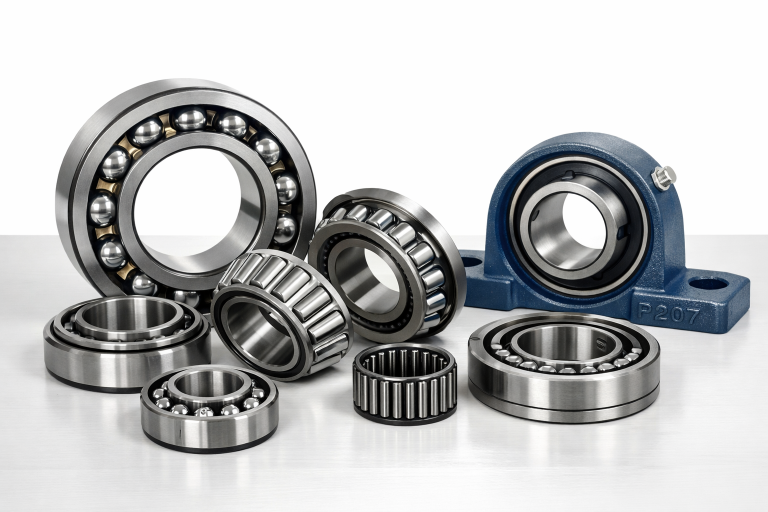
Split plummer blocks are bearing housings that support rotating shafts in industrial machinery. They differ from standard housings because they feature two separate halves that can be split apart and assembled around a shaft. This design makes installation and maintenance much simpler since you don’t need to disassemble the entire shaft to access the bearing.

Split plummer blocks are designed to hold self-aligning ball bearings, spherical roller bearings, and barrel roller bearings, with a removable upper section that allows for easier fitting and servicing. The split design is particularly useful when you need to perform maintenance or replace worn bearings without disrupting your entire system. These housings are built for demanding environments and can handle high temperatures and heavy loads.
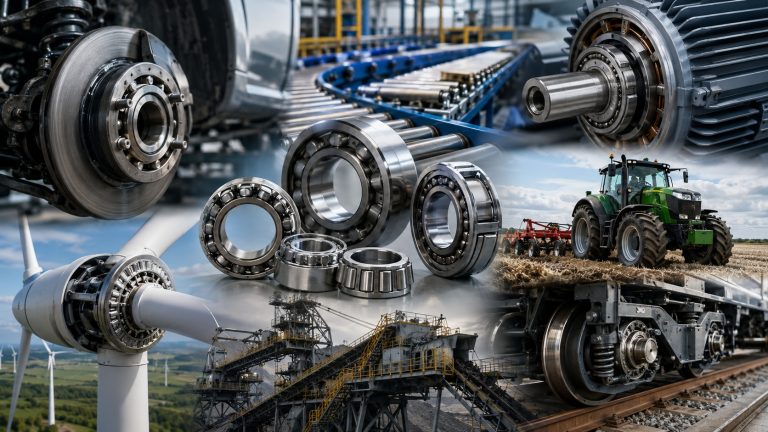
You’ll find split plummer blocks in many industrial settings because they offer practical benefits that save time and reduce downtime. Industries like mining, steel production, agriculture, paper processing, and power generation rely on these components to keep their equipment running smoothly. Understanding how these housings work and when to use them can help you make better decisions about your machinery maintenance.
Key Takeaways
- Split plummer blocks are bearing housings with two halves that make installation and maintenance easier than solid housings
- They work with self-aligning and spherical roller bearings and are built for heavy-duty applications in harsh environments
- The split design reduces machinery downtime by allowing bearing access without complete shaft disassembly
Defining Split Plummer Blocks

Split plummer blocks are bearing housings that consist of two separate halves—an upper cover and a lower base—that bolt together around a bearing and shaft assembly. This two-piece construction distinguishes them from solid housings and enables easier installation and maintenance of pre-assembled shafts.
What Makes a Plummer Block Split?
The defining feature of a split plummer block is its two-part housing design. The upper section, called the cap or cover, can be removed by unbolting it from the lower section, which forms the base. This split design allows you to install or remove bearings without having to disassemble the entire shaft from your machinery.
The two halves typically connect using precision-machined bolts that ensure proper alignment when fastened. Each half contains a semi-circular recess that, when joined together, forms a complete housing for the bearing. The split runs horizontally through the centre of the housing, creating equal upper and lower portions.
Most split plummer blocks are manufactured from high-strength cast iron, though you can also find versions made from spheroidal graphite iron or cast steel for more demanding applications. The material choice affects the housing’s ability to withstand loads, vibrations, and environmental conditions in your specific application.
Split Versus Non-Split Bearing Housings
Non-split bearing housings require you to slide the bearing and housing assembly onto the shaft from the end. This means you must disassemble adjacent components or remove the entire shaft to replace bearings. Split plummer blocks eliminate this requirement entirely.
With split housings, you can access the bearing by simply removing the top cap whilst the shaft remains in place. This reduces your maintenance time significantly and minimises production downtime. The split design is particularly valuable when you’re working with long or fixed shafts that cannot be easily removed.
Non-split housings generally offer slightly better rigidity due to their one-piece construction. However, split plummer blocks compensate for this through precision machining of the mating surfaces and proper bolt torque specifications. For most industrial applications, split housings provide adequate structural integrity whilst offering superior serviceability.
Key Components of Split Plummer Blocks
Split plummer blocks contain several essential components that work together to support your rotating shaft:
Housing halves: The base and cap sections that enclose the bearing
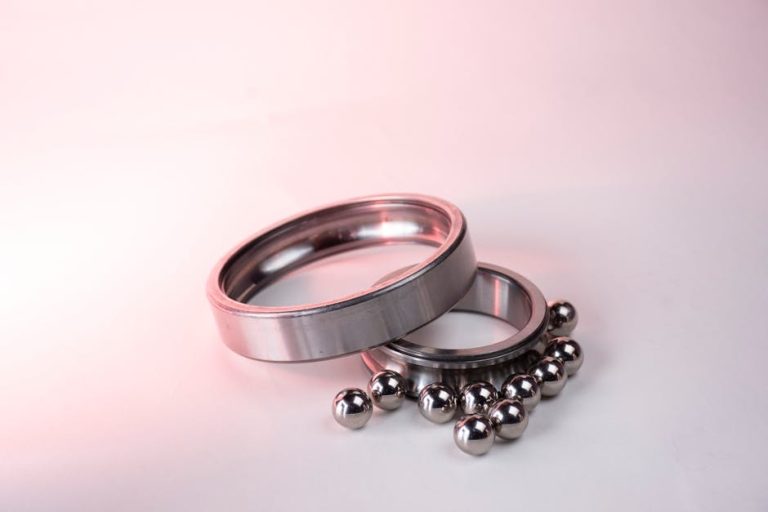
Bearing: Typically self-aligning ball bearings or spherical roller bearings that accommodate shaft misalignment
Seals: Protect the bearing from contaminants such as dust, water, and debris
Bolts and fasteners: Secure the two housing halves together with precise clamping force
Additional components may include adapter sleeves for mounting bearings on plain shafts, locating rings to position the bearing axially, and seal washers that provide extra protection. You can configure these components based on your specific load requirements, operating speeds, and environmental conditions. The modular nature of split plummer blocks allows you to customise sealing arrangements, lubrication systems, and mounting options to suit your application needs.
Working Principle and Functionality

Split plummer blocks work by providing a secure housing for bearings whilst allowing easy access through their two-piece design. The upper and lower sections clamp together around the bearing, which sits on the shaft and distributes loads to the mounting surface below.
How Split Plummer Blocks Support Shafts
The split housing grips the outer ring of the bearing, which is typically a spherical roller bearing or self-aligning ball bearing. Your shaft passes through the inner ring of the bearing, creating a stable support point that handles both radial and axial loads.
The two-piece construction transfers these forces from the shaft through the bearing and into the housing halves. The bottom section of the housing mounts to your equipment’s base plate or frame. The top section bolts down to complete the assembly and secure the bearing in place.
This design allows the housing to handle heavy loads whilst maintaining proper alignment. The bearing’s inner ring rotates with your shaft, whilst the outer ring remains stationary within the housing. This separation of movement reduces friction and wear on both the shaft and the supporting structure.
Pre-Assembled Shaft Installation
You can install pre-assembled shafts without dismantling other components because the housing splits apart. Simply unbolt and remove the top half of the housing to access the shaft and bearing.
Position your shaft with its bearing already mounted into the bottom housing section. The bearing outer ring sits in the housing’s machined bore. Once aligned, you place the top housing half over the bearing and bolt it to the bottom section.
This method saves significant time during maintenance. You don’t need to slide components along the entire shaft length or disconnect couplings at both ends. The split design also protects adjacent components from potential damage during bearing replacement.
Alignment and Load Distribution
The housing’s machined surfaces ensure your bearing sits square to the mounting base. This precision prevents edge loading on the bearing rollers, which would reduce service life.
Spherical roller bearings within these housings compensate for minor shaft misalignment through their self-aligning capability. The bearing’s curved outer ring can tilt slightly within the housing bore. This accommodation prevents binding when thermal expansion occurs or when foundations settle.
Load distribution spreads evenly across the bearing’s roller elements when properly installed. The modular housing design optimises this distribution, which can extend bearing life by up to 50% compared to standard arrangements. Your equipment experiences less vibration and runs more smoothly as a result.
Types and Series of Split Plummer Block Housings

Split plummer block housings come in several standardised series, each designed for specific load capacities and shaft sizes. Manufacturers offer both standard and heavy-duty variants with different material compositions to suit various industrial environments.
Overview of Popular Series
The SNL series represents the most widely used split plummer block housings in industrial applications. This series includes models ranging from SNL505 through SNL532, with each designation corresponding to specific bearing bore sizes and load capacities. The SNL516-613, SNL518-615, SNL519-616, SNL520-617, SNL522-619, and SNL524-620 models cover medium-duty applications.
Larger installations requiring greater load capacity typically use SNL526, SNL528, SNL530, and SNL532 housings. The SNL517 serves as a common choice for general industrial machinery.
SE housings provide an alternative housing design with different mounting configurations. These bearing housings offer compatibility with multiple seal types and lubrication systems whilst maintaining the split design advantages.
Standard Versus Heavy-Duty Designs
Standard split plummer block housings suit typical industrial environments with moderate contamination levels and load requirements. These designs feature basic labyrinth seals and accommodate spherical roller bearings for normal operating conditions.
Heavy-duty variants like the SNS series incorporate reinforced construction for aggressive environments such as mining operations. These housings include taconite seals with radial labyrinths that provide superior protection against harsh contaminants. The split plummer block housing designs designated as H and Z offer different seal configurations depending on environmental demands.
Heavy-duty models feature thicker walls and additional reinforcement points to handle shock loads and vibration. Your choice between standard and heavy-duty designs depends on operating conditions, contamination levels, and expected service life.
Material and Size Variations
Split plummer block housings are manufactured primarily in cast iron for standard applications. Ductile iron provides increased strength for moderate-duty requirements whilst maintaining cost effectiveness.
Cast steel housings deliver maximum durability for extreme operating conditions involving high loads, temperatures, or impact forces. The material selection directly affects housing weight, cost, and load-bearing capacity.
Size variations span from small housings accommodating 25mm shaft diameters to large units supporting shafts exceeding 300mm. Each plummer block housing series maintains specific tolerances according to JIS B 1551 standards, ensuring proper bearing fit and alignment across different sizes.
Bearing Compatibility and Arrangements

Split plummer blocks accommodate several bearing types, with self-aligning ball bearings and spherical roller bearings being the most common. The housing design allows these bearings to handle both radial and axial loads whilst compensating for shaft misalignment.
Self-Aligning Ball Bearings
Self-aligning ball bearings work well in split plummer blocks when you need lighter loads and higher speeds. These bearings have two rows of balls and a common spherical raceway in the outer ring. This design lets the bearing adjust to angular misalignment of the shaft relative to the housing.
You’ll find these bearings particularly useful when shaft deflection occurs during operation. The split housing makes it simple to mount and dismount the bearing without disturbing other machine components. Self-aligning ball bearings handle less load than spherical roller bearings but run at higher speeds with lower friction.
Spherical Roller Bearings
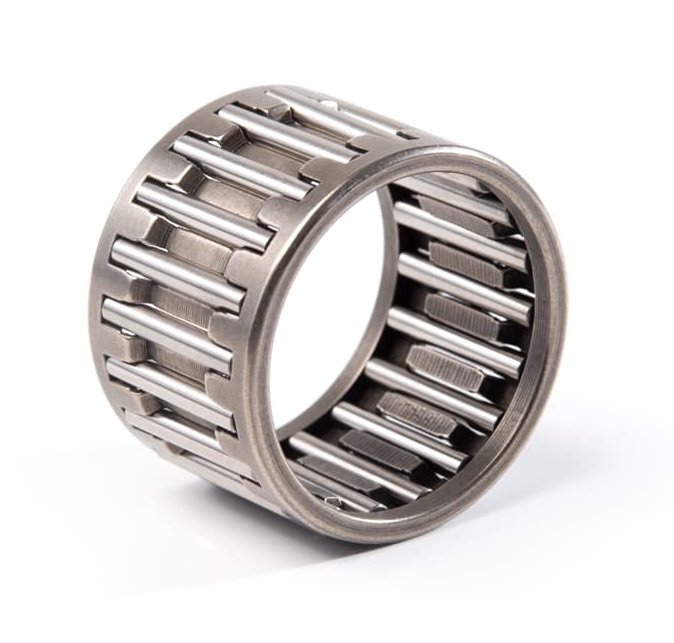
Spherical roller bearings are the primary bearing type used in split plummer blocks for heavy-duty applications. These bearings feature barrel-shaped rollers arranged in two rows around a common spherical outer ring raceway. This design allows them to carry heavy radial loads and moderate axial loads in both directions.
The bearing arrangement with spherical roller bearings can extend service life by up to 50% due to optimal load distribution in the housing. You can mount these bearings directly on the shaft or use adapter sleeves for different shaft diameters with the same bearing size. Split plummer blocks with spherical roller bearings are standard for shaft diameters from 20mm to 160mm, though larger sizes are available.
The housings support both locating and non-locating bearing arrangements. Non-locating arrangements allow axial movement, whilst locating arrangements use additional locating rings to fix the bearing position axially.
Other Supported Bearing Types
Split plummer blocks can also house CARB toroidal roller bearings, which offer advantages in specific applications. These bearings provide higher load ratings than conventional spherical roller bearings in the same space. The logarithmic profile of CARB bearings reduces stress concentrations and improves load distribution.
Your choice of bearing type depends on load requirements, operating speeds, and environmental conditions. The modular design of split plummer blocks lets you configure the housing to suit different bearing types and sizes without requiring custom housings.
Design Features and Sealing Options

Split plummer blocks incorporate several design elements that enhance their reliability and performance in industrial settings. The housings feature multiple sealing configurations to protect bearings from contaminants, whilst end covers and lubrication systems ensure optimal operation across different working conditions.
Labyrinth and Taconite Seals
Labyrinth seals work without contact with the shaft, using a series of grooves and channels to create a tortuous path that prevents contaminants from reaching the bearing. These seals suit applications with moderate contamination levels and don’t generate friction, which makes them ideal for higher speed operations.
Taconite seals provide heavy-duty protection in extremely harsh environments. They use multiple sealing lips and robust materials to withstand severe contamination from dust, dirt, and abrasive particles. Mining and quarrying operations frequently use these seals because they offer superior protection compared to standard options.
The choice between labyrinth and taconite seals depends on your operating environment. Normal factory conditions typically require only labyrinth seals. Outdoor applications with high dust or water exposure benefit from taconite seals.
V-Ring and Bolt-On Seals
V-ring seals consist of elastomer rings that press against a rotating surface to create a dynamic seal. They’re lightweight, easy to install, and provide effective protection against water and dust ingress. The V-shaped cross-section allows the seal to deflect and maintain contact with the sealing surface during shaft movement.
Bolt-on seals attach directly to the housing with bolts, creating a robust barrier for demanding applications. These seals offer superior protection and can be replaced without dismounting the entire housing. They’re particularly useful when you need to upgrade sealing performance on existing equipment.
Many split plummer blocks accommodate multiple seal types within the same housing design. This flexibility lets you select the most appropriate sealing solution for your specific application requirements.
End Covers and Spacer Rings
End covers protect the housing ends and secure sealing elements in position. They’re typically made from cast iron or steel and bolt directly to the housing base and cap. Some designs incorporate viewing windows that allow you to check lubrication levels without removing the cover.
Spacer rings position bearings correctly within the housing and maintain proper axial clearances. They ensure the bearing sits at the optimal location relative to the housing seals and mounting points. Spacer rings also help distribute loads evenly across the bearing faces.
The split design of these components allows for straightforward assembly and disassembly. You can access internal parts without removing the shaft from your machinery.
Lubrication and Re-Lubrication Points
Split plummer blocks include dedicated lubrication points that allow grease to reach the bearing whilst minimising contamination risk. These points typically feature grease nipples positioned for easy access during maintenance operations.
Re-lubrication intervals depend on your operating conditions, speed, and load. Most housings support continuous lubrication systems for applications requiring frequent greasing. The housing design guides lubricant flow to ensure proper distribution across all bearing surfaces.
Proper lubrication prevents premature bearing failure and extends service life. You should monitor grease consumption and condition to identify potential issues before they cause equipment downtime.
Advantages of Split Plummer Blocks
Split plummer blocks offer significant benefits that make them a preferred choice in industrial applications. Their split housing design provides practical advantages in maintenance, adapts to various operating conditions, and delivers measurable cost savings through reduced equipment downtime.
Ease of Maintenance and Replacement
The split housing design allows you to access bearings without removing the shaft from your machinery. You can simply unbolt the cap from the base, inspect or replace the bearing, and reassemble the unit. This eliminates the need to dismantle surrounding equipment or disconnect the entire shaft assembly.
Regular lubrication becomes straightforward with split plummer blocks. You can add grease or oil through built-in ports whilst checking the bearing condition during routine inspections. When bearings show signs of wear, you can replace them on-site without specialised tools or extensive training.
The precision-machined interior surfaces ensure proper bearing alignment after reassembly. You don’t need to worry about complex realignment procedures that solid housings often require. This accessibility also means your maintenance team can spot potential problems early, such as contamination or inadequate lubrication, before they lead to bearing failure.
Versatility in Application
Split plummer blocks accommodate different shaft sizes and bearing types across various industries. You’ll find them supporting conveyor systems in mining operations, pump shafts in manufacturing plants, and rotating equipment in agricultural machinery.
The housings work effectively under demanding conditions, including heavy loads, shock loads, and exposure to contaminants. Materials such as cast iron, ductile iron, or steel provide the strength needed for your specific application. Sealing arrangements can be customised with labyrinth seals or lip seals depending on your environmental requirements.
You can install split plummer blocks in different mounting configurations to suit your equipment layout. Whether you need fixed-end or floating-end arrangements, the split design provides flexibility in how you support rotating shafts whilst maintaining proper load distribution.
Reduced Downtime and Cost Savings
Split plummer blocks cut your maintenance time significantly compared to solid bearing housings. A bearing replacement that might take several hours with a solid housing can often be completed in under an hour with a split design. This speed directly translates to more productive operating time for your machinery.
Your maintenance costs decrease because you don’t need to remove adjacent components or machinery during bearing service. Labour expenses reduce as fewer technicians are required for routine maintenance tasks. The extended bearing life achieved through proper lubrication and easy monitoring further lowers your replacement costs over the equipment’s lifespan.
Installation and Maintenance Best Practices
Proper installation and regular maintenance extend the service life of split plummer blocks and prevent costly equipment failures. Clean working conditions and correct mounting procedures protect bearings from contamination whilst routine inspections catch potential problems before they cause downtime.
Mounting and Dismounting Process
You should verify that your work environment is clean before you begin installation. Check that all associated components meet the required accuracies and tolerances.
The split design allows you to mount pre-assembled shafts without disassembly. First, attach the housing base to your equipment’s base plate. Place the shaft assembly into the lower housing section, then position the upper housing cap and tighten the attachment bolts to the specified torque values.
During dismounting, you simply reverse this process. Remove the cap bolts and lift away the upper housing section. This gives you immediate access to the bearing and shaft without disturbing adjacent machinery components.
Always handle bearings with clean hands or gloves. Contamination during installation reduces bearing life significantly.
Inspection and Routine Servicing
You need to establish a regular inspection schedule based on your operating conditions. Check for unusual noise, vibration or heat during operation.
Key inspection points include:
- Lubrication levels and quality
- Seal condition and wear
- Bolt tightness
- Housing alignment
- Bearing temperature
Monitor grease condition monthly in standard applications. Replace lubricant if it appears discoloured or contaminated. Verify that seals maintain proper contact with the shaft surface to prevent dirt ingress.
Check alignment annually or after any maintenance work. Misalignment causes premature bearing failure and increased vibration. You should also inspect bolt tension periodically, as vibration can loosen fasteners over time.
Troubleshooting Common Issues
Excessive vibration typically indicates misalignment, worn bearings or loose mounting bolts. Check alignment first, then inspect bearing condition and retighten fasteners to specification.
High operating temperatures suggest inadequate lubrication or overloading. Verify that you’re using the correct lubricant type and quantity. Overheating can also result from contaminated grease that should be replaced immediately.
Unusual noise points to bearing wear or inadequate lubrication. A grinding sound indicates contamination, whilst squealing suggests insufficient grease. Seal damage allows contaminants to enter, so inspect and replace damaged seals promptly.
Leaking lubricant means worn seals or excessive grease fill. You should replace faulty seals and reduce grease quantity to the recommended level.
Key Applications Across Industries
Split plummer blocks serve critical roles in industries where heavy loads, continuous operation, and reliable bearing support are essential. Mining operations account for approximately 35% of market demand, whilst manufacturing, agriculture, and power generation sectors depend on these components for machinery uptime.
Heavy Machinery and Rolling Mills
Your heavy machinery relies on split plummer blocks to support spherical roller bearings in crushers, grinding mills, and mixers. These housings handle extreme radial and axial loads whilst protecting bearings from contaminants in harsh environments. The split design lets you replace bearings without dismantling entire shaft assemblies, which cuts maintenance time significantly.
Rolling mills use split plummer blocks to support roll neck bearings that process steel, aluminium, and other metals. You’ll find them in continuous casting lines where temperatures reach extreme levels and loads vary constantly. The modular sealing options protect your bearings from mill scale, water, and metal particles. In textile manufacturing, these housings support rotating drums and calendering equipment where precise alignment matters. Your equipment runs more efficiently when the bearing arrangement can compensate for thermal expansion and shaft deflection.
Conveyors and Material Handling
Split plummer blocks are fitted to conveyor systems in mining, ports, and manufacturing facilities where bulk materials move continuously. Your conveyor pulleys and drive shafts need reliable bearing support that handles belt tension and impact loads from material loading.
Mining conveyors operate in particularly demanding conditions with coal dust, rock particles, and moisture exposure. You can specify taconite seals for maximum contamination protection in these environments. Agricultural conveyors benefit from the same robust design when handling grain, feed, and fertiliser. The split housing design means you can inspect and replace bearings during scheduled maintenance without removing conveyor sections. Manufacturing facilities use these housings on overhead cranes, hoists, and automated material handling systems where bearing failure would halt production lines.
Pumps, Power Generation, and More
Your pump applications in water treatment, chemical processing, and oil refineries require split plummer blocks that accommodate shaft deflection and misalignment. Centrifugal pumps, slurry pumps, and vertical turbine pumps all use these housings to support heavy impeller assemblies.
Power generation facilities fit split plummer blocks to turbine auxiliary equipment, cooling tower fans, and generator support bearings. You need components that handle continuous operation at high speeds whilst maintaining lubrication integrity. Paper mills rely on these housings for drying cylinders, calendar rolls, and pulp processing equipment where steam and moisture create challenging conditions. Construction equipment uses split plummer blocks in excavators, concrete mixers, and crushers where shock loads and vibration are constant factors.
Comparison with Other Bearing Housings
Split plummer blocks differ from standard housings through their two-piece design, whilst pillow blocks, flanged housings, and take-up housings serve distinct mounting and operational purposes in machinery systems.
Standard Plummer Blocks and Pillow Blocks
Standard plummer blocks feature a one-piece construction that requires you to slide the bearing and shaft assembly through the housing during installation. This non-split design provides approximately 30% greater rigidity than split versions, making it suitable for high-load applications where structural strength matters most.
Split plummer blocks allow you to remove the top section without dismantling your shaft assembly. This design enables 50% faster bearing replacement during maintenance operations. You can inspect or replace bearings whilst your shaft remains in position, which significantly reduces downtime.
Pillow blocks typically mount to horizontal surfaces and often come as sealed units with pre-lubricated bearings. You’ll find these housings in lighter-duty applications compared to plummer blocks. The term “plummer block” generally refers to heavier industrial units that support spherical roller bearings, whilst pillow blocks commonly house ball bearings for smaller shaft diameters. Both types are available in split and non-split configurations, though split designs sacrifice some rigidity for improved serviceability.
Flanged and Take-Up Housings
Flanged housings mount perpendicular to your shaft, attaching directly to walls or vertical surfaces through bolt holes in the flange face. You’ll use these when space constraints prevent horizontal mounting or when your application requires vertical shaft support. They’re typically non-split units that prioritise compact installation over easy maintenance access.
Take-up housings include adjustment mechanisms that allow you to tension belts or chains in conveyor systems. These units slide along rails or slots, letting you compensate for belt stretch or maintain proper tension. Unlike split plummer blocks that prioritise bearing access, take-up housings focus on positional adjustment. You’ll commonly find them at the non-driven end of conveyors where tension control matters more than frequent bearing maintenance. Most take-up housings use solid construction since their adjustable mounting already provides some maintenance flexibility.
Selection Criteria for Split Plummer Blocks
Choosing the right split plummer block requires careful evaluation of operating conditions, dimensional requirements, and compatibility with industry standards. You need to consider both the physical demands of your application and the practicality of installation and maintenance.
Load and Environmental Considerations
You must first determine the radial and axial loads your shaft will experience during operation. Split plummer block housings work best with self-aligning bearings that can handle misalignment and varying load directions. Heavy-duty applications like mining and quarrying require housings rated for higher loads.
Temperature is a critical factor in your selection. Some environments expose housings to extreme heat or cold that can affect lubrication and material performance. You should also assess contamination levels in your working environment. Moderately contaminated areas can use standard double-lip seals, whilst severely dusty or wet conditions need enhanced sealing solutions.
Lubrication type matters for long-term performance. Grease-lubricated blocks suit most applications, but oil lubrication may be necessary for high-speed or high-temperature operations. Self-lubricating options reduce maintenance requirements in hard-to-reach locations.
Interchangeability and Sizing
Your shaft diameter determines the bore size you need in the housing. Split plummer blocks are available in bore sizes ranging from 25mm to several hundred millimetres. You should verify that your chosen housing accommodates your specific bearing type, whether it’s a self-aligning ball bearing, spherical roller bearing, or CARB toroidal roller bearing.
Different manufacturers use varying designation systems, but many housings offer cross-compatibility. This means you can often replace one brand with another without modifying your existing setup. You need to check dimensional drawings to confirm mounting hole positions and overall dimensions match your application.
The split design allows for easier installation on existing shafts without complete disassembly. This feature becomes especially valuable during maintenance or bearing replacement.
Industry Standards and Designations
Major manufacturers follow established naming conventions for their products. SKF uses the SNL series designation, whilst Schaeffler produces the SNS range and NSK offers the SNN series. Each system indicates specific features and dimensions.
You should familiarise yourself with designation codes to identify bore sizes, housing types, and compatible seals. Most suppliers provide detailed catalogues that translate these codes into practical specifications. Standard housings consist of a base and cap that bolt together around the bearing.
Industry standards ensure consistent quality and dimensional accuracy across brands. This standardisation helps you source replacement parts quickly and maintain equipment reliability.
Frequently Asked Questions
Split plummer blocks function as two-piece bearing housings that mount around pre-assembled shafts, offering flexibility in installation and maintenance through their modular construction. These components handle substantial loads whilst providing various sealing options and material choices to suit different industrial environments.
How are split plummer blocks used in bearing support systems?
Split plummer blocks secure spherical roller bearings and self-aligning ball bearings to support rotating shafts in machinery. The two-piece design allows you to install the housing around an existing shaft without dismantling the entire assembly.
You can mount these housings using two or four attachment bolt holes in the base. The housing surrounds the bearing completely, providing structural support and protecting internal components from external contaminants.
The modular system lets you configure different combinations of bearings, seals, and lubrication methods. This flexibility means you can adapt the same basic housing design to various applications by changing specific components.
What advantages do split plummer blocks offer over solid housings?
The split design reduces installation time because you don’t need to slide the housing onto the shaft from one end. You simply position the base, place the bearing, and secure the cap over the top.
Maintenance becomes faster since you can access the bearing without removing the entire shaft assembly. This feature minimises downtime during inspections, lubrication, or bearing replacements.
The modular concept provides cost savings through standardisation. You can stock fewer housing sizes whilst still meeting diverse application requirements by varying the internal components.
Can split plummer blocks accommodate high radial and axial loads?
Split plummer blocks support substantial radial and axial loads through their reinforced housing structure and optimised load distribution. The material recess below the bearing distributes forces across two symmetrical support faces rather than a single contact point.
This design improves load distribution within the bearing itself. The enhanced support can extend bearing life by up to 50% compared to less optimised housing designs.
The X-shaped reinforcement in some housings provides additional stability and rigidity. This structural feature also helps with vibration dampening and heat dissipation during operation.
What considerations are important when selecting seals for split plummer blocks?
Your sealing choice depends on the contamination levels and operating conditions in your application. Labyrinth seals work well in environments with normal dust and particle levels.
Taconite seals offer superior protection in harsh conditions with heavy contamination. These seals are common in mining and quarrying operations where abrasive particles are prevalent.
Bolt-on seals provide the most robust protection for demanding applications. You should also consider whether your environment requires additional protection from moisture, chemicals, or extreme temperatures when selecting seal types.
How does the design of split plummer blocks facilitate easier maintenance and replacement?
The horizontal split allows you to remove the cap whilst the base remains mounted. This means you can inspect or replace bearings without disturbing shaft alignment or disconnecting adjacent equipment.
You can perform bearing replacements more quickly because the shaft stays in position. This feature is particularly valuable in continuous process industries where extended downtime creates significant costs.
The standardised bolt hole patterns and modular components simplify spare parts management. You can often interchange components between similar housing sizes, reducing inventory requirements.
What materials are typically used in the construction of split plummer blocks and why?
Cast iron is the most common material for split plummer blocks because it provides good strength, vibration dampening, and cost-effectiveness. The material’s casting properties allow for complex internal geometries that optimise load distribution.
Steel housings are used in applications requiring higher strength or improved impact resistance. These materials withstand heavier loads and more severe operating conditions than cast iron.
The material choice affects heat dissipation characteristics and the housing’s ability to maintain dimensional stability under thermal cycling. Surface treatments and coatings may be applied to improve corrosion resistance in wet or chemically aggressive environments.